
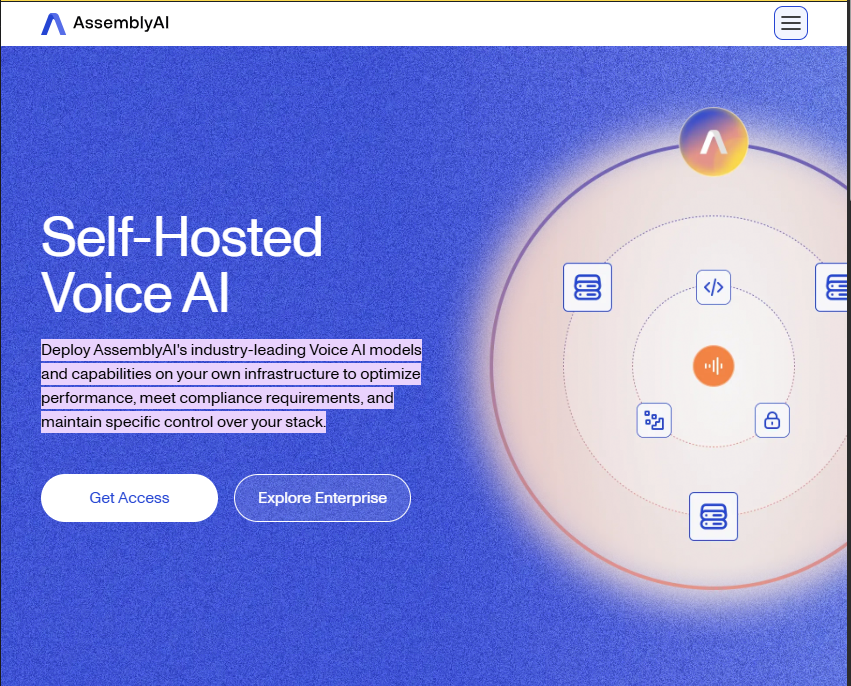
Self-Hosted AI Voice Agents System
$65.00 Original price was: $65.00.$22.00Current price is: $22.00.
- 24/7 Contact Support & Telegram - Ecomkevin_1
- You Can Request Any Courses
- Original Courses HD Qualite and links updated
Guaranteed Safe Checkout


Description
Self-Hosted AI Voice Agents System: The Ultimate Guide to Building Intelligent, Private, and Scalable Voice Automation
Artificial intelligence is transforming the way businesses communicate with customers, teams, and systems. Among the most powerful innovations today are AI voice agents—automated systems capable of understanding speech, responding naturally, and executing tasks in real time. As organizations seek greater control, privacy, and flexibility, the demand for self-managed voice solutions is rising rapidly.
This guide explores everything you need to know about a Self-Hosted AI Voice Agents System, including how it works, why it matters, core components, benefits, use cases, deployment strategies, and future potential. If you are looking for a long-term, scalable voice automation solution without relying on third-party cloud restrictions, this is the most complete resource available.
What Is a Self-Hosted AI Voice Agents System?
A self-hosted AI voice solution is a fully autonomous voice automation platform deployed on your own infrastructure—such as a private server, VPS, on-premise hardware, or dedicated cloud instance. Instead of depending on external SaaS providers, all speech processing, decision-making, and data handling are controlled internally.
These systems combine speech recognition, natural language processing, and voice synthesis to create human-like interactions while keeping sensitive data secure. Businesses can customize logic, train models, and integrate directly with internal tools without usage limits or API dependency risks.
Why Businesses Are Moving Away from Cloud-Only Voice AI
Traditional cloud-based voice AI platforms are convenient but come with limitations. Rising API costs, data privacy concerns, rate limits, vendor lock-in, and restricted customization have pushed companies to look for alternatives.
Self-hosted solutions offer full ownership. You decide how data is stored, processed, and secured. There are no surprise billing spikes, and performance remains consistent regardless of third-party outages.
For industries like healthcare, finance, legal services, and enterprise customer support, internal deployment is often the only compliant option.
Core Components of an AI Voice Agent System
A robust voice automation setup relies on multiple tightly integrated layers. Understanding these components helps you design or evaluate a powerful system.
Speech Recognition Engine
This module converts spoken audio into text with high accuracy. Advanced engines support multiple languages, accents, and noisy environments.
Natural Language Understanding (NLU)
NLU analyzes intent, context, and sentiment from user speech. It allows the agent to understand meaning rather than just keywords.
Decision Logic and Workflow Engine
This is the “brain” of the system. It determines how the agent responds, triggers actions, or routes calls based on user input and predefined logic.
Text-to-Speech (TTS) Engine
TTS converts AI responses into natural, human-sounding speech. Modern systems support emotional tone, pacing, and voice customization.
Telephony and Audio Handling
Integration with SIP, VoIP, PBX systems, or browser-based calling ensures seamless inbound and outbound voice communication.
Data Storage and Analytics
Conversation logs, performance metrics, and learning data are stored securely for optimization and compliance.
Key Benefits of a Self-Hosted Approach
Complete Data Privacy
All voice interactions remain within your infrastructure. This eliminates third-party data exposure and simplifies regulatory compliance.
Unlimited Scalability
Unlike usage-based pricing models, you can scale calls, agents, and workflows without per-minute or per-request fees.
Deep Customization
You control conversation flow, voice tone, language behavior, and integrations down to the system level.
Cost Efficiency Over Time
While setup requires investment, long-term operational costs are significantly lower compared to recurring API fees.
Offline and Low-Latency Performance
Local processing reduces latency and allows limited functionality even during network disruptions.
Real-World Use Cases Across Industries
Customer Support Automation
Handle thousands of inbound queries 24/7 without human intervention while maintaining natural conversation quality.
Sales and Lead Qualification
AI voice agents can qualify leads, book appointments, and follow up automatically.
Healthcare Scheduling and Reminders
Automate appointment booking, prescription reminders, and patient follow-ups securely.
Banking and Financial Services
Enable balance inquiries, transaction confirmations, and KYC-compliant interactions.
Internal Operations
Voice-enabled HR helpdesks, IT support, and workflow automation improve productivity.
Deployment Options Explained
On-Premise Servers
Best for enterprises requiring maximum data control and compliance.
Private Cloud or VPS
A popular balance between control and scalability using providers like AWS EC2, Google Compute Engine, or Azure VM.
Hybrid Infrastructure
Combines local processing with cloud redundancy for resilience and performance.
Each option supports the same core capabilities, with differences in cost, maintenance, and scalability.
Security and Compliance Considerations
Security is a major reason organizations choose self-hosted systems. Best practices include:
-
End-to-end encryption for audio and text data
-
Role-based access control
-
Secure API gateways
-
Audit logs and conversation masking
-
Compliance with GDPR, HIPAA, and regional data laws
By managing your own infrastructure, you ensure compliance without relying on third-party assurances.
Custom Training and Optimization
One of the biggest advantages of hosting your own system is continuous improvement. You can:
-
Train language models on industry-specific vocabulary
-
Optimize response flows using real call data
-
Add multilingual and regional dialect support
-
Fine-tune voice tone for brand alignment
Over time, this creates a highly personalized and intelligent voice agent unmatched by generic solutions.
Challenges and How to Overcome Them
Initial Setup Complexity
Solution: Use modular architectures and open-source frameworks to reduce development time.
Infrastructure Management
Solution: Automate monitoring, scaling, and backups using DevOps best practices.
Model Maintenance
Solution: Schedule periodic retraining and performance evaluations.
With the right planning, these challenges become manageable and worthwhile.
Future of Self-Hosted Voice AI
The future of voice automation is decentralization. As AI models become more efficient, self-hosted systems will rival—and often surpass—cloud solutions in quality and performance.
Advancements in real-time emotional detection, multilingual intelligence, and edge computing will further strengthen locally deployed voice agents.
Organizations that invest early gain a strategic advantage in automation, cost control, and customer experience.
Final Thoughts
A Self-Hosted AI Voice Agents System is not just a technology upgrade—it’s a strategic asset. It empowers businesses with privacy, scalability, customization, and long-term cost efficiency. As voice interaction becomes a standard interface across industries, owning your AI infrastructure ensures independence and competitive strength.
If your goal is to build a future-proof, intelligent, and secure voice automation ecosystem, this approach stands above all others.
Reviews
There are no reviews yet.