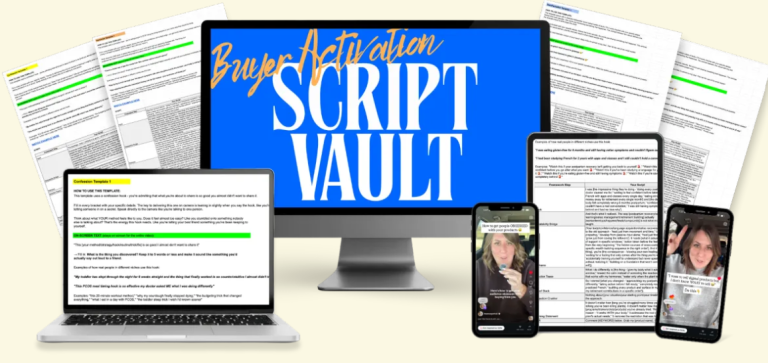
Creator Club – Buyer Activation Framework
$87.00 Original price was: $87.00.$22.00Current price is: $22.00.
- 24/7 Contact Support & Telegram - Ecomkevin_1
- You Can Request Any Courses
- Original Courses HD Qualite and links updated
Guaranteed Safe Checkout


Description
Creator Club – Buyer Activation Framework: The Complete Guide to Turning Attention Into Revenue
In today’s digital economy, attracting attention is easier than ever, but converting that attention into paying customers remains one of the biggest challenges for creators, coaches, consultants, freelancers, agencies, and online entrepreneurs. Many businesses generate traffic, build audiences, and create content consistently, yet struggle to transform engagement into predictable revenue.
This is where the Creator Club – Buyer Activation Framework becomes a game-changing solution. Instead of focusing solely on lead generation or content creation, this framework is designed to activate buyer intent, nurture trust, remove objections, and guide prospects toward making confident purchasing decisions.
The modern customer journey is no longer linear. Buyers consume content across multiple platforms, compare alternatives, research reviews, and often require multiple touchpoints before making a purchase. Businesses that understand how to activate these buyers effectively can significantly increase conversion rates, customer lifetime value, and overall profitability.
What Is Buyer Activation?
Buyer activation refers to the process of moving an interested prospect from passive consumption to active engagement and ultimately toward a purchase decision.
Most audiences fall into one of four categories:
1. Unaware Audience
These individuals do not yet recognize they have a problem.
2. Problem-Aware Audience
They understand a challenge exists but have not explored solutions.
3. Solution-Aware Audience
They know solutions are available and are comparing options.
4. Purchase-Ready Audience
These prospects are actively evaluating providers and preparing to buy.
A successful activation system helps move people through each stage efficiently while building trust and credibility.
Why Most Marketing Fails
Many creators invest heavily in:
- Social media content
- Paid advertising
- SEO campaigns
- Email marketing
- Community building
Yet conversions remain low.
The primary reason is simple:
Attention does not automatically create action.
Many businesses generate visibility without creating sufficient momentum toward a buying decision.
Common mistakes include:
- Weak positioning
- Generic messaging
- Lack of trust signals
- Poor offer presentation
- Inconsistent follow-up
- Failure to address objections
Without activation mechanisms, even high-quality traffic can remain unconverted.
Core Principles Behind the Framework
The system is built around several key principles that influence purchasing behavior.
Trust Before Transaction
People rarely buy from businesses they do not trust.
Trust is developed through:
- Consistent content
- Authority positioning
- Testimonials
- Case studies
- Social proof
- Educational resources
When trust increases, buyer resistance decreases.
Clarity Drives Conversions
Confused prospects do not buy.
Businesses often make the mistake of overcomplicating their offers, messaging, and marketing materials.
Clear communication helps prospects understand:
- What the offer is
- Who it is for
- What results can be expected
- Why it is different
- How to get started
Simplicity creates momentum.
Emotional Connection Matters
Purchasing decisions are influenced by both logic and emotion.
Successful activation campaigns connect with:
- Aspirations
- Goals
- Frustrations
- Desires
- Fears
- Challenges
When prospects feel understood, engagement naturally increases.
Consistency Creates Confidence
Buyers look for consistency before committing.
A brand that communicates regularly demonstrates:
- Reliability
- Professionalism
- Expertise
- Stability
This confidence often becomes a deciding factor during the buying process.
The Buyer Activation Journey
Understanding the customer journey is essential for maximizing conversions.
Stage 1: Attention Capture
The first objective is attracting relevant prospects.
Methods include:
Content Marketing
High-value educational content attracts qualified audiences organically.
Examples:
- Blog posts
- Videos
- Podcasts
- Tutorials
- Guides
- Webinars
Search Engine Optimization
SEO allows businesses to capture demand from users actively searching for solutions.
Benefits include:
- Long-term traffic
- Higher intent visitors
- Better conversion potential
- Increased authority
Social Media Marketing
Social platforms provide opportunities to build visibility and community engagement.
Popular channels include:
- YouTube
- TikTok
- X
The goal is not simply reach but attracting the right audience.
Stage 2: Engagement
Once attention is captured, engagement becomes the focus.
Engagement strategies include:
Lead Magnets
Useful resources encourage prospects to exchange contact information.
Examples:
- Templates
- Checklists
- E-books
- Swipe files
- Toolkits
Community Building
Communities strengthen relationships and increase trust.
Options include:
- Membership groups
- Discord servers
- Facebook groups
- Private forums
Interactive Content
Interactive experiences often produce higher engagement rates.
Examples include:
- Surveys
- Assessments
- Quizzes
- Challenges
- Workshops
Stage 3: Nurturing
Not every prospect purchases immediately.
Nurturing helps maintain momentum while building trust.
Email Sequences
Email remains one of the most effective nurturing channels.
Effective sequences typically include:
- Welcome messages
- Educational content
- Case studies
- Success stories
- Objection handling
- Offer introductions
Authority Content
Publishing valuable insights reinforces expertise.
Topics may include:
- Industry trends
- Strategic frameworks
- Success stories
- Lessons learned
- Implementation guides
Authority content positions businesses as trusted advisors rather than vendors.
Stage 4: Activation
Activation occurs when prospects move toward purchasing behavior.
Common activation triggers include:
Limited-Time Opportunities
Urgency encourages action.
Examples:
- Enrollment deadlines
- Bonus expiration dates
- Special pricing periods
- Seasonal promotions
Case Studies
Real-world success stories help prospects visualize results.
Effective case studies showcase:
- Starting situation
- Challenges faced
- Actions implemented
- Results achieved
Product Demonstrations
Showing the solution in action reduces uncertainty.
Demonstrations can include:
- Live walkthroughs
- Recorded tutorials
- Consultations
- Strategy sessions
Stage 5: Conversion
At this stage, the focus shifts toward helping prospects make confident purchasing decisions.
Key conversion elements include:
Strong Offer Positioning
The offer should clearly communicate:
- Benefits
- Outcomes
- Features
- Differentiators
- Value proposition
Risk Reversal
Reducing perceived risk improves conversion rates.
Examples include:
- Guarantees
- Free trials
- Flexible payment options
- Refund policies
Clear Calls-To-Action
Every sales page, email, and presentation should guide prospects toward a specific next step.
Examples:
- Schedule a call
- Purchase now
- Start free trial
- Join program
- Request consultation
Benefits of Implementing a Buyer Activation Strategy
Organizations that implement structured activation systems often experience significant improvements.
Higher Conversion Rates
Qualified prospects move through the sales process more efficiently.
Improved Customer Quality
Activated buyers typically have stronger commitment levels and clearer expectations.
Better Customer Retention
Trust-based relationships often lead to longer customer lifecycles.
Increased Revenue Predictability
A repeatable activation process creates more stable growth.
Enhanced Brand Authority
Consistent education and nurturing establish market leadership.
Essential Metrics to Track
Measurement is critical for optimization.
Important metrics include:
Traffic Metrics
- Website visitors
- Traffic sources
- Session duration
- Bounce rate
Lead Metrics
- Lead generation volume
- Opt-in conversion rate
- Cost per lead
Engagement Metrics
- Email open rates
- Click-through rates
- Video watch time
- Community participation
Conversion Metrics
- Sales conversion rate
- Average order value
- Revenue per lead
- Customer acquisition cost
Retention Metrics
- Customer lifetime value
- Renewal rates
- Repeat purchases
- Churn rate
Tracking these indicators provides valuable insights for continuous improvement.
Best Practices for Long-Term Success
Businesses implementing activation systems should follow several best practices.
Focus on Customer Outcomes
Always prioritize customer success over short-term sales.
Create Consistent Messaging
Maintain a unified brand voice across all channels.
Test and Optimize
Regular experimentation helps identify opportunities for improvement.
Invest in Relationships
Long-term trust generates sustainable growth.
Provide Exceptional Value
Educational content and customer support strengthen loyalty.
The Future of Buyer Activation
As competition increases and attention spans decrease, activation strategies will become even more important.
Future trends include:
- AI-powered personalization
- Behavioral segmentation
- Predictive analytics
- Interactive buying experiences
- Automated nurturing systems
- Customer journey optimization
Businesses that adapt to these changes will gain significant competitive advantages.
The ability to guide prospects through increasingly complex decision-making processes will become one of the most valuable marketing skills in the digital marketplace.
Conclusion
The Creator Club – Buyer Activation Framework provides a strategic approach to transforming audience attention into measurable business growth. Rather than relying solely on traffic generation, it focuses on activating buyer intent, building trust, nurturing relationships, and creating predictable conversion pathways.
Whether you’re a creator, consultant, agency owner, coach, educator, or entrepreneur, implementing a structured activation process can dramatically improve your ability to convert prospects into loyal customers. By understanding buyer psychology, delivering consistent value, and optimizing each stage of the customer journey, businesses can create sustainable growth systems that generate results long into the future.
Reviews
There are no reviews yet.