


Description
Introduction
In today’s hyper-competitive digital world, marketing often feels loud, exhausting, and unsustainable. Many entrepreneurs are pushed to constantly post, chase trends, and run ads just to stay visible. Danielle Gardner – Build Your Quiet Marketing Ecosystem introduces a refreshing alternative: a calm, intentional, and long-term marketing system that works even when you’re offline.
This approach focuses on building an interconnected ecosystem of assets that attract the right audience naturally, nurture trust over time, and convert without pressure tactics. Instead of hustling endlessly, you design a marketing structure that compounds results quietly and consistently.
What Is a Quiet Marketing Ecosystem?
A quiet marketing ecosystem is a system where every piece of your marketing supports the others. Rather than relying on viral moments or aggressive sales strategies, this ecosystem is built on clarity, alignment, and longevity.
At its core, it includes:
-
A strong personal or brand message
-
Evergreen content that educates and attracts
-
Ethical audience growth channels
-
Trust-based conversion systems
The ecosystem grows slowly but steadily, creating momentum that feels natural instead of forced.
The Philosophy Behind Quiet Marketing
Traditional marketing rewards volume and speed. Quiet marketing rewards intention and depth. The philosophy is based on a few key beliefs:
-
Trust beats attention – You don’t need everyone; you need the right people.
-
Consistency beats intensity – Small actions over time outperform bursts of effort.
-
Assets beat activity – Content and systems should keep working long after they’re created.
This mindset is especially powerful for solopreneurs, coaches, creators, and service providers who want growth without burnout.
Core Pillars of the Ecosystem
1. Aligned Brand Messaging
Everything begins with clarity. Your message should clearly communicate:
-
Who you help
-
What problem you solve
-
Why your approach is different
Aligned messaging creates resonance. When people feel understood, they stay longer, trust faster, and engage more deeply.
2. Evergreen Content Assets
Instead of chasing daily trends, the ecosystem prioritizes content that remains relevant for years. Examples include:
-
Long-form blog posts
-
Educational videos
-
Podcasts and interviews
-
Downloadable guides
These assets attract organic traffic continuously and position you as a credible authority in your niche.
3. Intentional Audience Growth
Quiet marketing avoids aggressive follower-count chasing. Growth happens through:
-
Search-based discovery
-
Referrals and collaborations
-
Value-driven social presence
The goal is not mass visibility but meaningful visibility—being found by people who already need what you offer.
4. Relationship-First Email Marketing
Email is the backbone of the ecosystem. Instead of constant promotions, emails focus on:
-
Storytelling
-
Education
-
Gentle guidance
Subscribers feel like they’re part of a conversation, not a sales funnel. This builds loyalty and long-term engagement.
5. Soft Conversion Systems
Sales don’t come from pressure; they come from readiness. Quiet conversion systems include:
-
Low-friction offers
-
Clear, honest sales pages
-
Invitations instead of pushes
When trust is already built, selling feels natural rather than stressful.
Why This Approach Works Long-Term
The ecosystem model compounds over time. Each asset strengthens the others:
-
Content drives traffic
-
Traffic grows the email list
-
Emails build trust
-
Trust leads to conversions
Unlike ad-dependent models, this system becomes more effective the longer it exists.
Who This Ecosystem Is Best For
This marketing framework is ideal for:
-
Coaches and consultants
-
Educators and course creators
-
Freelancers and solopreneurs
-
Introverted or values-driven entrepreneurs
If loud marketing feels misaligned or draining, this ecosystem offers a sustainable alternative.
Common Mistakes to Avoid
While building a quiet ecosystem, many people struggle due to:
-
Trying to grow too fast
-
Creating content without a strategy
-
Ignoring email nurturing
-
Overcomplicating systems
Simplicity and patience are key. The ecosystem grows through refinement, not overload.
Results You Can Expect Over Time
With consistency, the outcomes include:
-
Steady organic traffic
-
A highly engaged audience
-
Predictable lead flow
-
Reduced dependence on social media trends
-
More freedom and less burnout
Success here is measured in sustainability, not short-term spikes.
How This Differs From Traditional Funnels
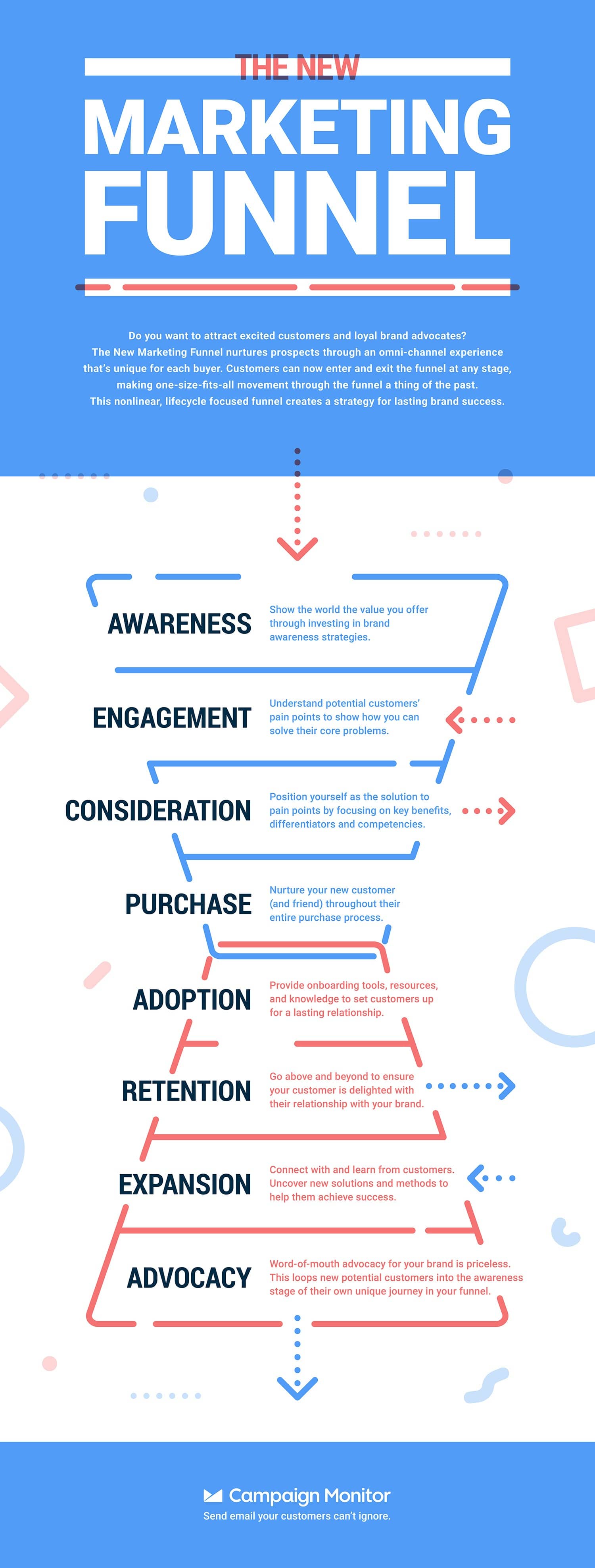
Traditional funnels are linear and often aggressive. Quiet ecosystems are circular and supportive. Instead of pushing people toward a single outcome, you guide them through value, trust, and alignment.
This makes the business feel human, ethical, and resilient in changing markets.
Long-Term Vision and Scalability
Once established, the ecosystem can scale without losing its calm nature. You can:
-
Repurpose evergreen content
-
Introduce new offers seamlessly
-
Delegate systems without losing authenticity
Growth happens without sacrificing peace or personal boundaries.
Final Thoughts
Danielle Gardner – Build Your Quiet Marketing Ecosystem represents a powerful shift in how modern marketing can be done. It proves that you don’t need to shout to be successful. By focusing on clarity, connection, and compounding systems, you can create a marketing engine that works quietly in the background—supporting your business for years to come.
Reviews
There are no reviews yet.