
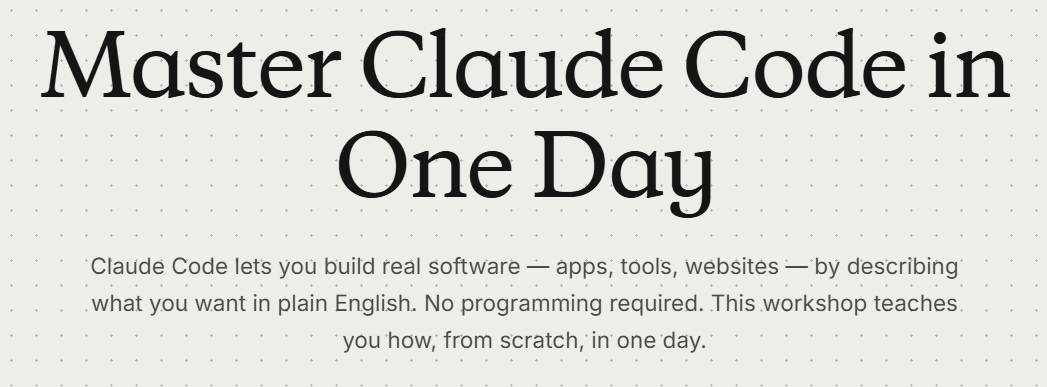
Isaac Rudansky – Master Claude Code in One Day
$1,897.00 Original price was: $1,897.00.$45.00Current price is: $45.00.
- 24/7 Contact Support & Telegram - Ecomkevin_1
- You Can Request Any Courses
- Original Courses HD Qualite and links updated
Guaranteed Safe Checkout


Description
Introduction
In today’s fast-paced digital landscape, mastering AI-powered tools is no longer optional—it’s a competitive necessity. One such powerful tool that has been gaining massive traction is Claude Code. Whether you’re a developer, marketer, entrepreneur, or freelancer, learning how to effectively use Claude Code can dramatically improve your productivity, automate complex workflows, and unlock new creative possibilities.
This comprehensive guide, inspired by Isaac Rudansky’s practical teaching approach, is designed to help you understand and implement Claude Code in just one day. Instead of overwhelming theory, this guide focuses on actionable steps, real-world applications, and efficient learning strategies so you can start using it immediately.
What is Claude Code?
Claude Code is an AI-powered coding and problem-solving assistant that helps users generate, debug, and optimize code with natural language instructions. It goes beyond traditional coding tools by understanding context, providing intelligent suggestions, and assisting in complex workflows.
Unlike basic AI tools, Claude Code is designed to:
- Understand long-form context
- Generate high-quality, structured code
- Assist in debugging and optimization
- Provide explanations for better learning
This makes it an ideal tool for both beginners and experienced professionals.
Why You Should Learn Claude Code
Mastering Claude Code in one day is not just about speed—it’s about efficiency. Here’s why it matters:
1. Time-Saving Automation
Claude Code can handle repetitive tasks like writing boilerplate code, debugging errors, and generating documentation.
2. Enhanced Productivity
Instead of spending hours researching solutions, you can get instant, accurate answers.
3. Beginner-Friendly Learning
Even if you’re not a professional developer, you can use natural language to create functional code.
4. Versatile Applications
From web development to marketing automation, the possibilities are endless.
Step-by-Step Plan to Master Claude Code in One Day
Morning Session: Understanding the Basics
Start your day by familiarizing yourself with the interface and capabilities of Claude Code.
Key Focus Areas:
- How to input prompts effectively
- Understanding output formats
- Learning basic commands
Example Prompt:
“Create a simple HTML landing page with a header, image, and call-to-action button.”
By experimenting with simple prompts, you’ll quickly understand how the system interprets instructions.
Midday Session: Practical Coding Applications
Once you’re comfortable with basics, move to real-world tasks.
Practice Projects:
- Build a personal portfolio website
- Create a simple calculator using JavaScript
- Generate a blog layout with responsive design
Pro Tip:
Be specific with your prompts. Instead of saying:
“Create a website”
Say:
“Create a responsive portfolio website using HTML, CSS, and JavaScript with a dark theme and smooth scrolling.”
The more detailed your prompt, the better the output.
Afternoon Session: Advanced Workflows
Now it’s time to unlock the true power of Claude Code.
Advanced Use Cases:
- Debugging existing code
- Refactoring messy code into clean structure
- Automating repetitive workflows
Example:
Paste a block of buggy code and ask:
“Identify errors and optimize this code for performance and readability.”
You’ll not only get fixes but also explanations, helping you learn faster.
Evening Session: Real-World Integration
To truly master Claude Code in one day, you must apply it to your actual work.
Use Cases:
- Automating business processes
- Creating marketing funnels
- Building MVPs for startups
- Writing scripts for data analysis
This is where learning turns into real value.
Best Practices for Using Claude Code
1. Be Clear and Specific
Avoid vague instructions. Clear prompts lead to accurate outputs.
2. Iterate and Improve
Don’t expect perfection in the first attempt. Refine your prompts.
3. Use Step-by-Step Instructions
Break complex tasks into smaller steps.
4. Combine with Your Knowledge
AI is powerful, but your understanding enhances results.
Common Mistakes to Avoid
1. Overloading Prompts
Too much information can confuse the output.
2. Ignoring Context
Always provide relevant background for better results.
3. Blindly Copying Code
Understand what the code does before using it.
4. Not Testing Output
Always test and validate generated code.
Real-World Examples
Example 1: Startup MVP
You can build a basic startup product in hours by generating frontend and backend code.
Example 2: Freelancing Projects
Deliver projects faster by automating repetitive coding tasks.
Example 3: Content Creation
Generate scripts, automation tools, and even website structures for blogs.
Tools to Combine with Claude Code
To maximize efficiency, combine Claude Code with:
- Code editors like VS Code
- Version control systems like Git
- No-code tools for faster deployment
- Automation platforms
This creates a powerful ecosystem for productivity.
How Isaac Rudansky’s Approach Helps
Isaac Rudansky is known for simplifying complex topics into actionable steps. His approach focuses on:
- Practical learning over theory
- Real-world applications
- Step-by-step execution
By following this structured method, mastering Claude Code in one day becomes achievable.
Final Thoughts
Learning Claude Code doesn’t require weeks or months. With the right approach, focused practice, and real-world application, you can master it in just one day.
The key is not perfection—it’s execution. Start with simple tasks, gradually move to advanced workflows, and apply your knowledge to real projects.
In a world driven by speed and innovation, those who adapt quickly gain the biggest advantage. Claude Code is not just a tool—it’s a productivity multiplier.
Reviews
There are no reviews yet.